Today, our journey in Sarawak ended not in a seminar room, but at a modest eatery by the water. On the table were bamboo clams, crab in a rich sauce that sparked a small debate over whether it was Padang-style sauce or curry, and stir-fried water spinach.
Yet it was precisely over this lunch that our conversation returned to a more fundamental question: once forests are protected, wildlife is conserved, and illegal activities are stopped, who ensures that local communities can still make a living?
This question matters. Conservation can easily become a slogan when communities are asked to stop cutting timber, discontinue mangrove charcoal production, or restrict their use of natural resources while viable economic alternatives remain unavailable. Prohibition may halt an activity temporarily. But without competitive sources of income, pressure on natural resources can eventually return.
Baca Juga Lutung di Atas, Es Krim di Bawah: Catatan dari Santubong, Sarawak Delta Geopark
What we heard today offered a different perspective. The true indicator of successful community-based ecotourism is not how many training sessions are conducted, but the point at which communities no longer depend on those who trained them.
One of our resource persons even described the role of facilitators as eventually becoming something like a “director.” The community itself runs the stage.
This is where leadership determines the direction.
Leaders do not have to do everything themselves. Their strategic task is to identify who is best positioned to perform each role. When parents are unfamiliar with TikTok and Instagram, there is little reason to force them to become content creators.
Engage their children instead. Generation Z, followed by Generation Alpha, occupies a potentially strategic position as the bridge connecting village products with much wider markets.
Baca Juga A Forest Cannot Be Saved By Applause Alone
Young people can transform forest honey, gula apong, handicrafts, local fruits, non-timber mangrove products, and other Non-Timber Forest Products (NTFPs) from mere commodities into digital stories. They can introduce the producers, explain how the products are made, show why the forest must remain standing, and demonstrate how economic benefits flow back to local communities.
Digitalisation, however, must not stop at the number of followers.
Success requires more rigorous indicators: Do producer-level prices increase? Are new markets being reached? Are young people gaining employment? And do the economic incentives for protecting forests become stronger than the incentives for degrading them?
At that point, digital marketing meets conservation.
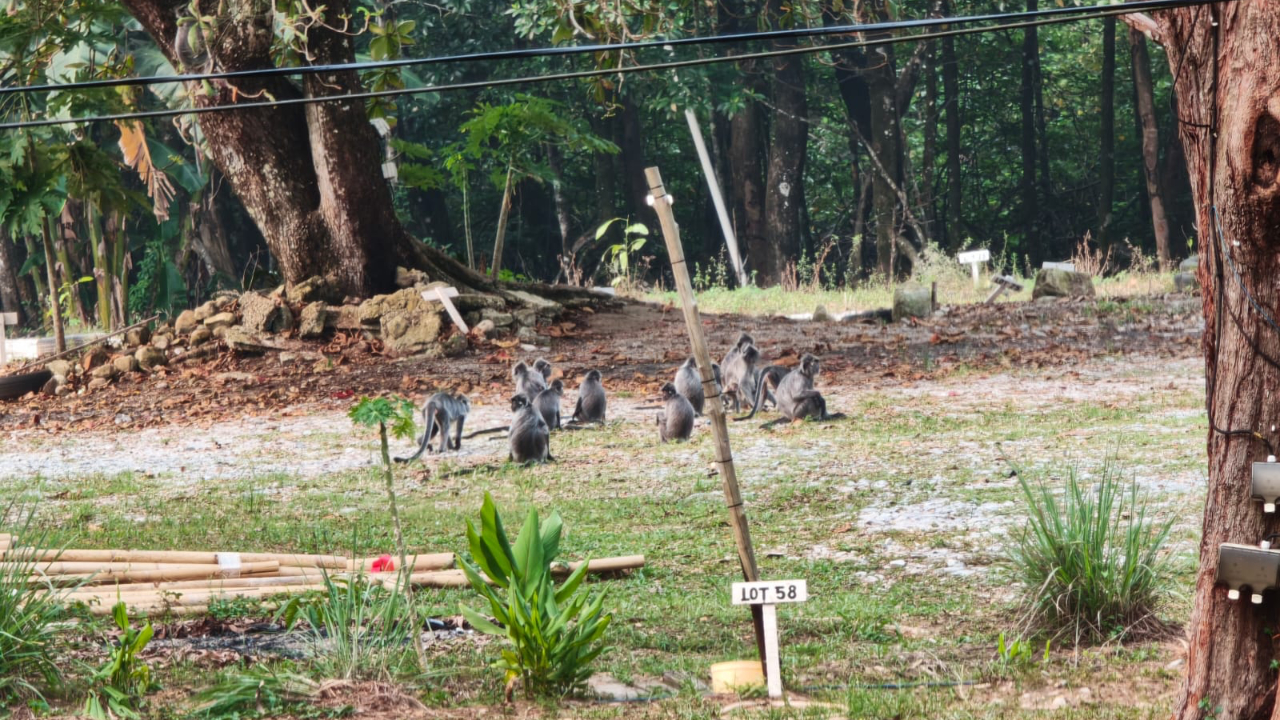
The same principle applies to biodiversity icons. The kelasi or maroon langur (Presbytis rubicunda), for example, should not merely become an animal to photograph. Its presence can form part of a destination’s identity, environmental education, ecological interpretation, and visitor experience. Wildlife, however, must never be reduced to a tourism commodity. Wildlife must remain wild, its habitat must remain protected, while communities should derive tangible economic benefits from their decision to conserve that habitat.
The homestay model we discussed offers a similar lesson. Visitors do not simply arrive, sleep, take photographs, and leave. They stay with local families, share meals with the community, and experience village life directly. Economic value can therefore circulate among households, local guides, food providers, transport operators, artisans, and NTFP producers.
Baca Juga Hutan yang Tidak Cuku Diselamatkan dengan Tepuk Tangan
This is fundamentally different from tourism that merely relocates hotels into villages.
Community-based ecotourism must transfer economic benefits to the community.
Today’s discussion also highlighted a persistent trap in natural resource management. We may succeed in stopping illegal logging but fail to create alternative livelihoods. We may close down mangrove charcoal production but neglect to develop markets for replacement enterprises. We may designate conservation areas while surrounding communities experience little more than restrictions.
When that happens, conservation imposes social costs locally while its economic benefits accrue elsewhere.
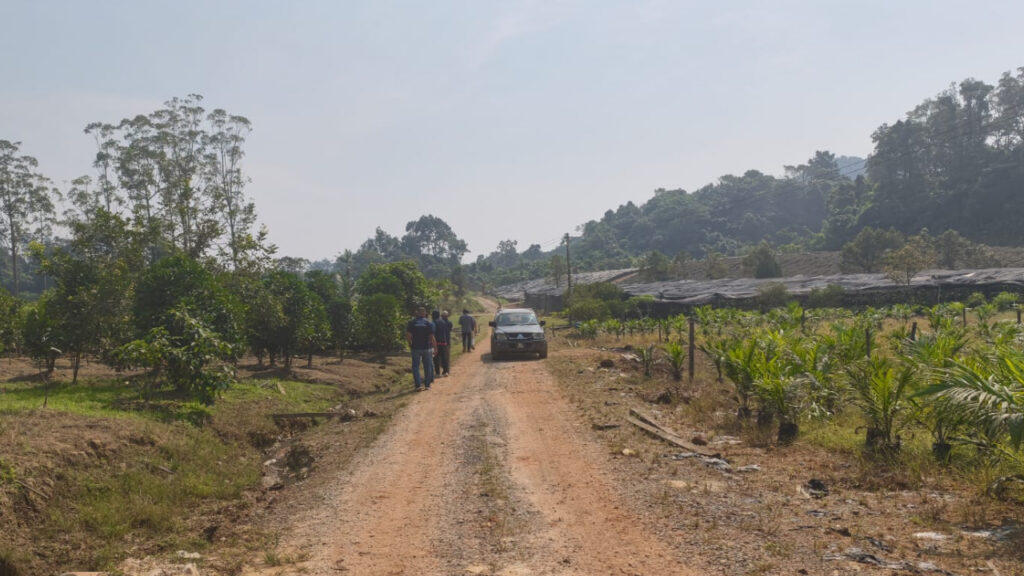
Sarawak demonstrates that transformation requires more than a single instrument. Government leadership, a bureaucracy that facilitates communities from the documentation and administrative stages, NGOs that strengthen local capacity, communities as the principal actors, infrastructure that improves access, and younger generations that connect villages to digital markets must operate as an integrated chain.
Even the presence of alan bunga (Shorea albida), together with forests, rivers, mangroves, birds, and primates, can be understood as ecological capital. Such capital does not have to be extracted or felled to generate value. The challenge is to convert ecological value into economic benefits without depleting the ecological capital itself.
That is why our conversation over bamboo clams and crab this afternoon felt particularly relevant to West Kalimantan.
Baca Juga Karhutla Jangan Menunggu Asap: Dari Mikrofon Satukata, Mari Menjaga Gambut
We have forests, rivers, peatlands, mangroves, NTFPs, cultures, and wildlife of equally significant value. The fundamental problem is not simply a lack of potential. It lies in the institutional architecture, leadership, markets, and regeneration of local actors.
There is therefore one indicator of success worth bringing home: a point when government agencies, NGOs, and universities can step back because communities are already capable of managing their enterprises, their young people can access markets independently, visitors come to experience authentic village life, and local people have strong economic reasons to keep their forests standing.
At that point, conservation ceases to be merely a project.
It becomes a rational community choice: making a living from the forest without consuming the forest itself.
Penulis: Gusti Hardiansyah
Guru Besar Universitas Tanjungpura
*Artikel ini merupakan ruang opini publik. Seluruh isi materi, sudut pandang, dan kebenaran data dalam artikel ini sepenuhnya menjadi tanggung jawab penulis serta tidak mencerminkan sikap, posisi, maupun opini resmi dari redaksi.