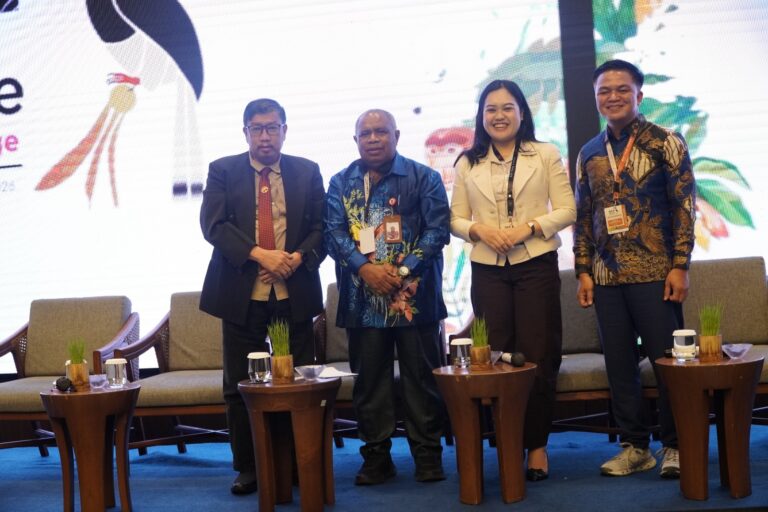
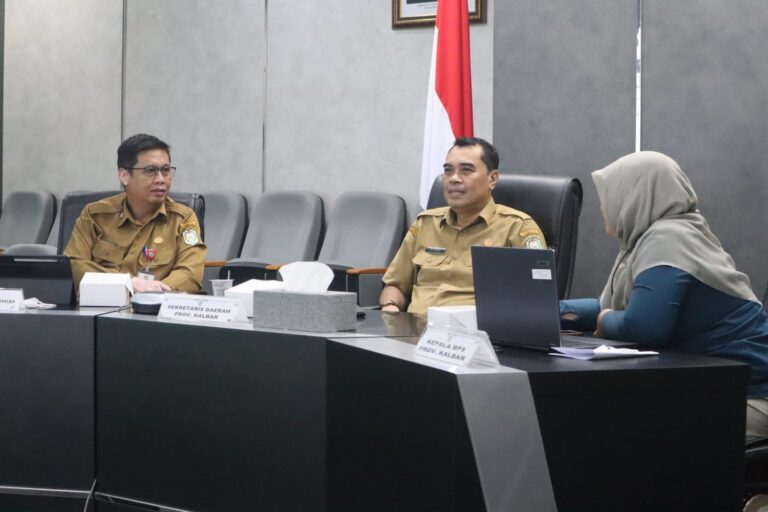
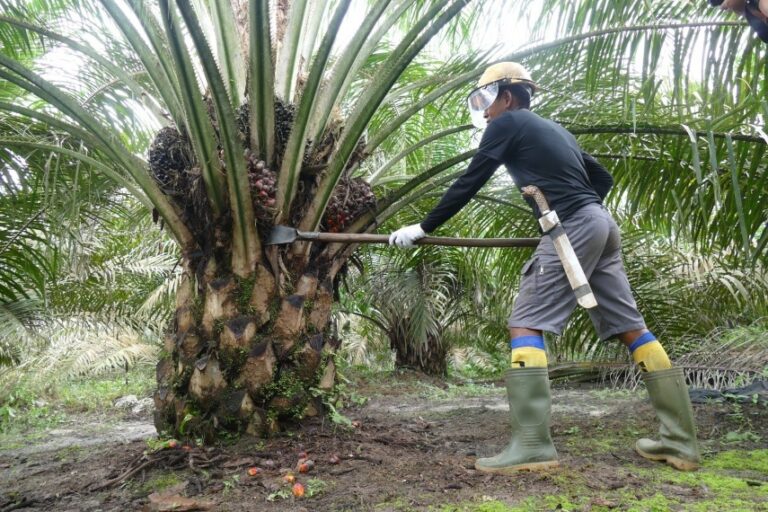
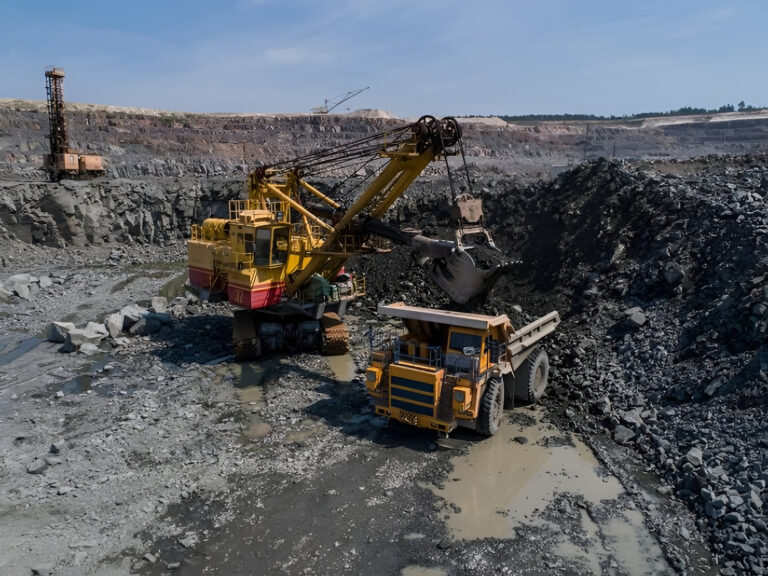
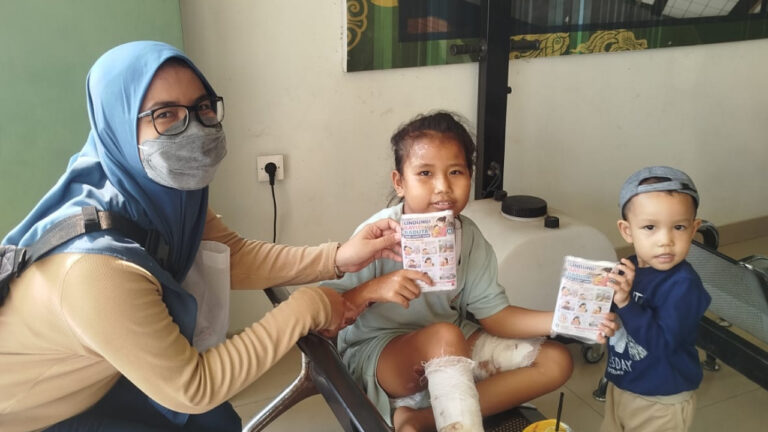
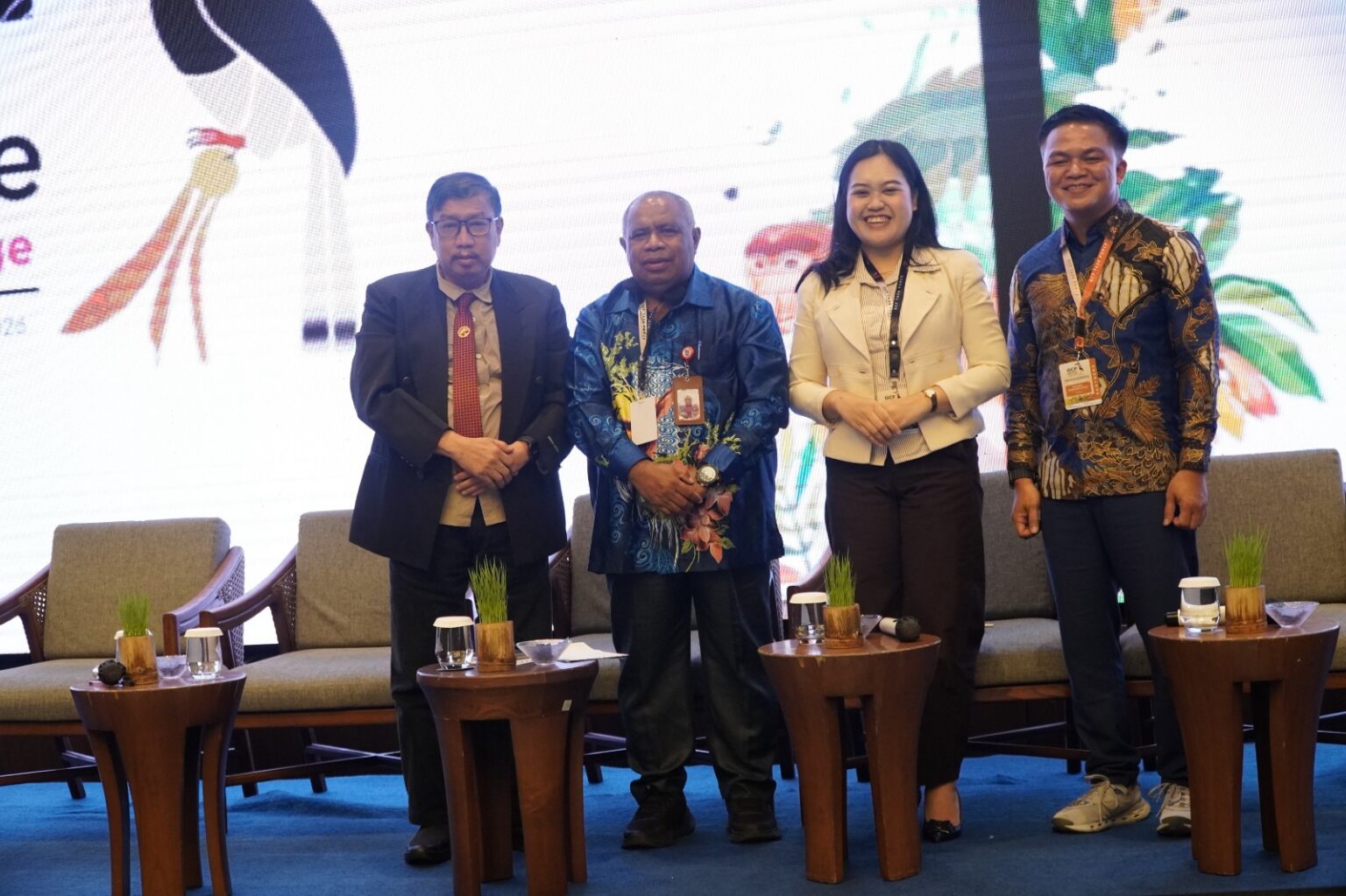
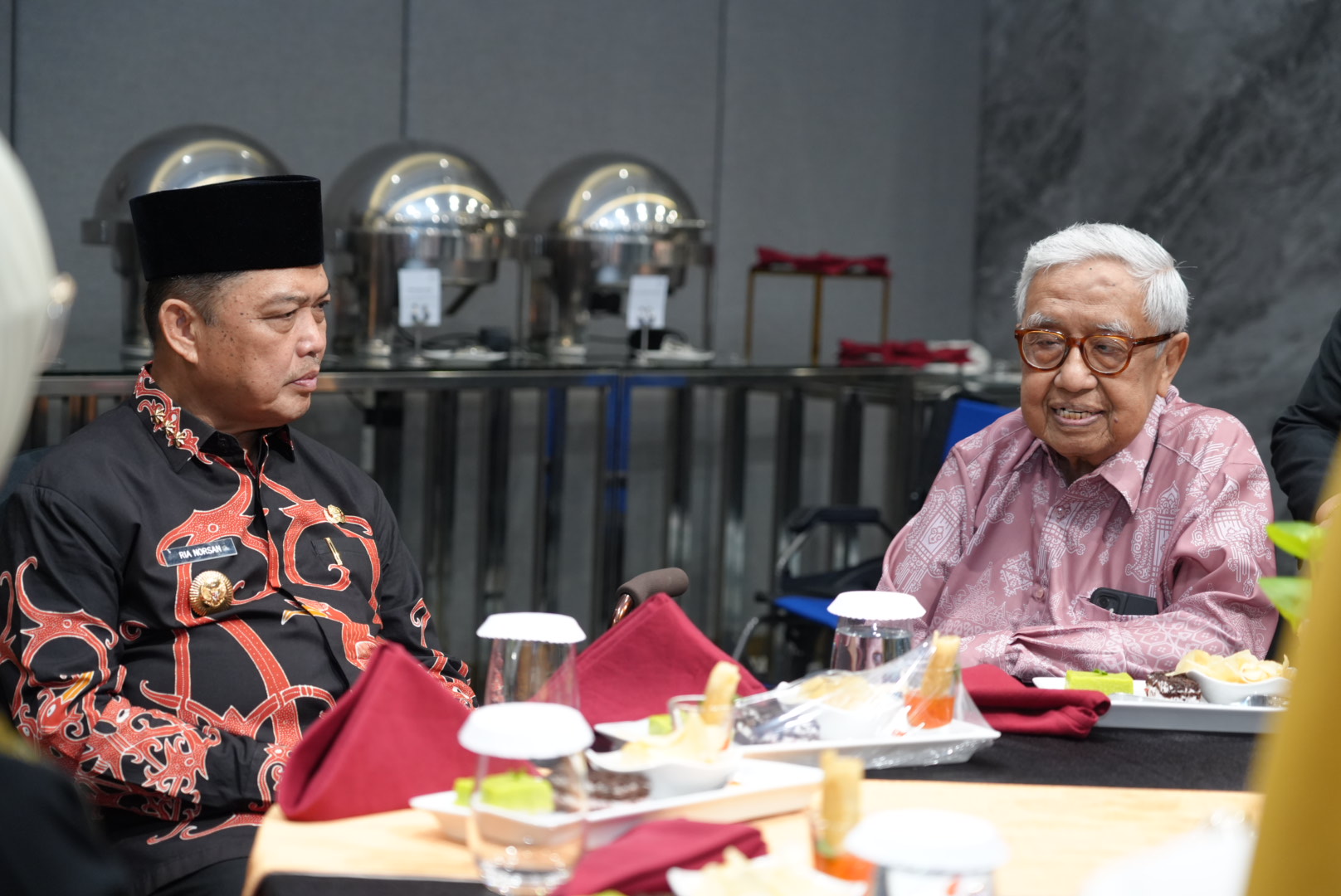
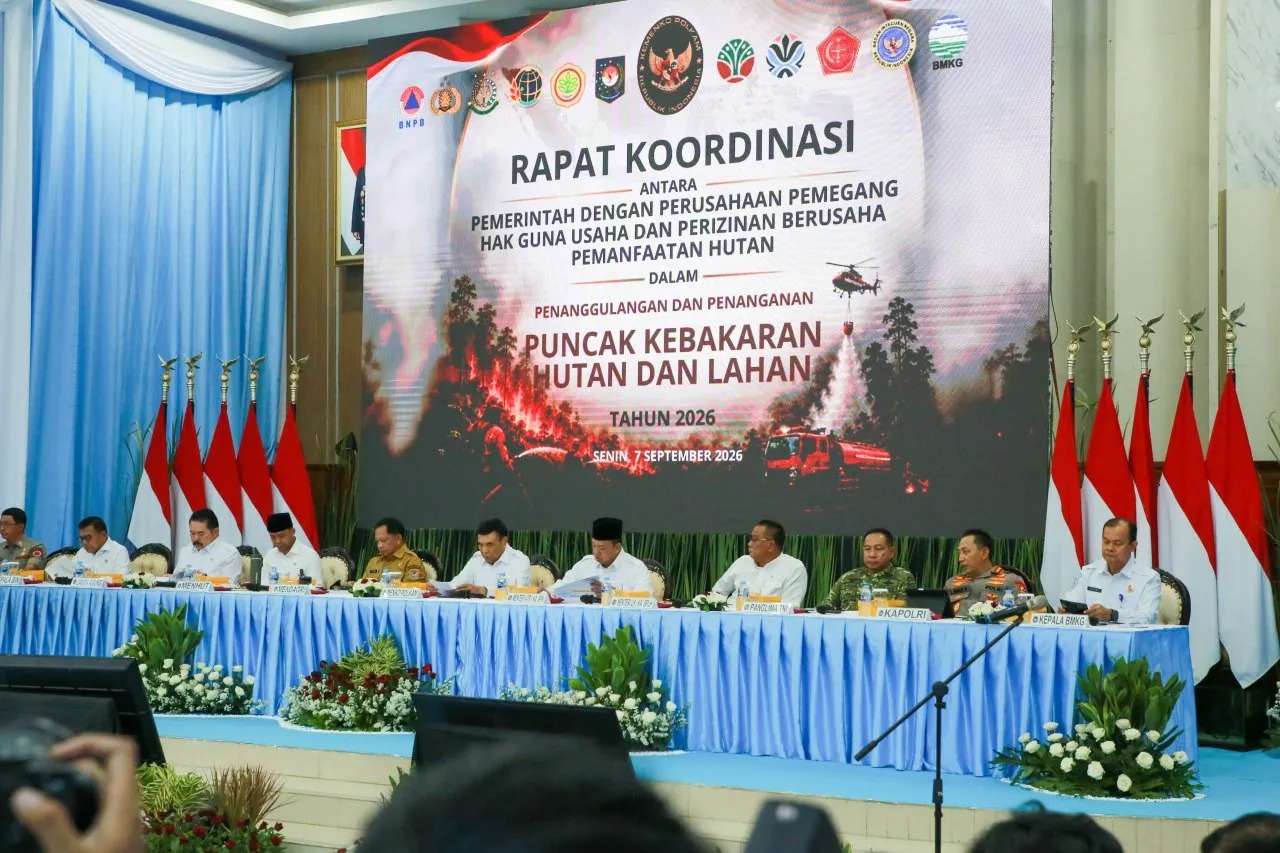
A reflective note from the session “Supporting Mitigation and Adaptation through BLUD” That afternoon, the meeting room in Bogor was filled with terms that made the coffee work overtime: mitigation, adaptation, regulation, institutions, and financial flexibility.
Fortunately, Juliarta Bramansa Ottay, the moderator, quickly brought the discussion down to earth with a practical question:
“How can climate commitments be translated into services delivered by local governments?”
This question matters. Climate change does not arrive carrying a project proposal. It appears as forest and land fires, floods, water shortages, health problems, crop failures, and damaged settlements. Eventually, all of these problems knock on the doors of local governments.
Baca Juga Pemerintah Soroti Lambatnya Pelayanan Rumah Sakit Daerah di Tengah Fleksibilitas BLUD
From Global Commitments to Mandatory Goverment Responsibilities
Yudia Ramli, Director for Regional-Owned Enterprises, Regional Public Service Agencies, and Regional Assets at the Ministry of Home Affairs’ Directorate General of Regional Financial Development, reminded us that climate action cannot stand alone.
It must be translated into government responsibilities, public services, regional institutions, development planning, and financial management. His presentation was serious, but one remark made the participants smile and think at the same time:
“If we fail to carry it out, we commit a sin because it is mandatory. It is not sunnah. It is obligatory.”
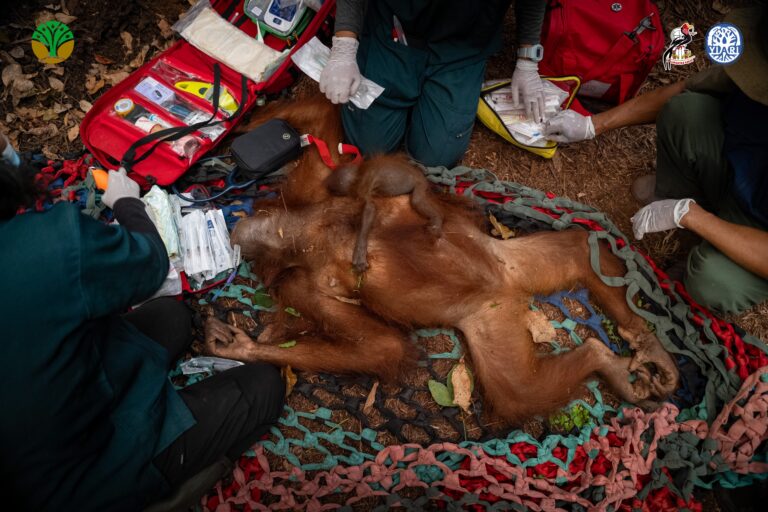
Baca Juga Karhutla Putus Habitat, Enam Orangutan Dievakuasi Dari Perkebunan Warga di Kayong Utara
The message was clear. Once environmental management becomes a mandatory responsibility of local government, its implementation cannot depend on whether a donor-funded project happens to be available. Environmental protection must be incorporated into development plans, programmes, budgets, and regional performance indicators.
This is where the BLUD, or Regional Public Service Agency, was proposed as a possible instrument.
A BLUD gives a regional service unit greater flexibility to:
- use its revenue directly;
- manage its expenditure;
- establish partnerships;
- conduct procurement; and
- set service tariffs in accordance with applicable regulations.
Flexibility, however, does not mean being free to act without controls. Otherwise, it would no longer be a BLUD. It would become a case of spend first and worry about accountability later. A BLUD remains part of the local government system. Its management must be transparent, effective, efficient, and accountable.
Regulations May Have a Home, But Who Lives in it?
The second speaker, Ratih Mulia Fazriati, a legal researcher from the Faculty of Law at Padjadjaran University, brought the discussion into the realm of law and governance. Ratih reminded us that regulations should not be treated merely as a collection of articles whose work ends once they have been signed.
Baca Juga Karhutla Sebagai Bencana Tahunan, Penanganan Gambut Tidak Boleh Sekadar Reaktif
“Regulation needs to be understood as a system that encompasses rules, authority, institutions, actors, and implementation processes.”
That statement reflects a familiar regional experience. We often have regulations without sufficiently prepared implementers. Authority may exist, but resources remain limited. Programmes may be approved, while their financing channels remain blocked.
Ratih’s study identified three factors that determine whether a climate-control BLUD is feasible:
- institutional arrangements;
- legal basis; and
- financial management.
A BLUD may be appropriate when a region needs flexibility in managing climate programmes while maintaining accountability. Its services may include waste management, biogas, water security, climate-resilient health services, climate-resilient housing, and environmental laboratories.
Forming an institution alone, however, is not enough. Before ordering its signboard, the local government must clearly define its services, revenue sources, beneficiaries, environmental indicators, and legal risks.
The Question of “Profit”
As a discussant, I raised a question that may have sounded slightly cheeky, although it was actually a serious administrative concern:
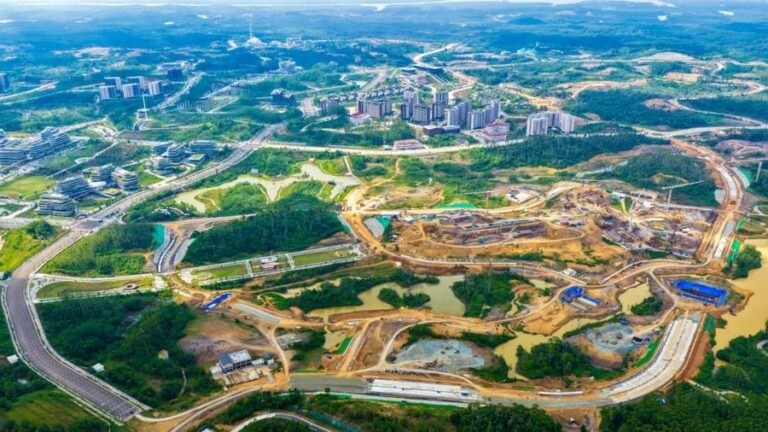
Baca Juga Otorita Sebut Karhutla Masih Berjarak 40 Km dari Inti IKN, Pemadaman Udara Dikerahkan
“What role should leadership play in ensuring that a BLUD can generate revenue, or at least avoid operating at a loss?”
In this context, profit does not mean turning a BLUD into a commercial company driven by financial returns. A BLUD exists to provide public services. Yet no service can remain operational if its costs continue to rise while its sources of financing remain uncertain.
This is where the leadership of regional heads becomes decisive. Regional leaders must define the mandate, coordinate government agencies, maintain policy consistency, create room for partnerships, and ensure that revenue generation does not undermine environmental functions or community interests.
The performance of a climate-focused BLUD should therefore be assessed from at least two perspectives:
- Financial performance
Can its revenue and financial support sustain the delivery of services?
- Environmental and social performance
Does it reduce emissions and disaster risks, improve environmental quality, and distribute benefits fairly among communities?
A BLUD may not always generate a cash profit. It may instead produce budget savings, lower disaster-related losses, revenue from environmental services, and social benefits whose value exceeds the income recorded in its accounts.
DO NOT OPEN A SHOP BEFORE KNOWING WHAT IT WILL SELL
A discussant representing a local government and Forest Management Unit, or KPH, offered the most memorable analogy:
“We are like people opening a shop. We must make sure the shop is not broken into, and we must know exactly what we intend to sell.”
Baca Juga 55 Titik Karhutla Terdeteksi di Kawasan Nusantara, Otorita Pasang Tombol Darurat di KIPP
The analogy may be simple, but its governance implications are serious.
The BLUD is the shop. The more decisive questions are:
- What services will it provide?
- Who owns the assets?
- Who are its users or buyers?
- Where will its revenue come from?
- How will the benefits be distributed?
- Who will be accountable if it fails?
If these questions remain unanswered, establishing a BLUD may add another administrative structure without improving public services.
The Ministry of Home Affairs explained that applying the BLUD financial management system does not always require the creation of a new organisation. An existing Regional Technical Implementation Unit, or UPTD, may adopt the BLUD system after meeting the substantive, technical, and administrative requirements.
The principle of money follows function must therefore be maintained. Define the service first, confirm the needs of the community, assess its feasibility, and only then decide on the most appropriate institutional form.
Blud And The SDGs: Global Targets Must Reach The Ground
The discussion was directly connected to several Sustainable Development Goals, or SDGs:
- SDG 6: water protection and water security;
- SDG 11: settlements that are more resilient to climate risks;
- SDG 12: responsible management of waste and resources;
- SDG 13: climate-change mitigation and adaptation;
- SDG 16: effective and accountable public institutions.
These connections will matter only when global indicators are translated into services that people can actually experience.
Citizens do not walk into a government office and say, “Sir, our SDG 13 target has not been achieved.” They come because their farms have burned, clean water has become scarce, their homes have flooded, or their incomes have disappeared.
Baca Juga Ancaman El Nino 2027 BMKG Tetapkan September Fase Kritis Karhutla Indonesia
That is where a climate policy is truly tested.
A Shop That Protects Nature
The session left us with one clear lesson: a BLUD is not the final objective. It is an instrument. Its success depends on a clear mandate, capable leadership and management, a sound legal basis, a viable financing model, and benefits that reach communities.
Local governments need to avoid an old administrative habit: creating an institution first, then struggling to find work for it. The sequence should be reversed. Identify the climate problem, define the required services, calculate the costs and benefits, map the revenue sources, and then select the most appropriate institutional arrangement.
The coffee on the table eventually grew cold, but the shop analogy remained warm in our minds. If a climate-control BLUD is eventually established, may it never become a shop with a large signboard and empty shelves. May it become a shop with sound finances, clearly defined services, fairly distributed benefits, and the capacity to protect nature as a source of regional development and human well-being.
(Gusti Hardiansyah)